
Online marketing continues to evolve at a breakneck pace. In 2026, businesses face intense competition across digital channels, making growth strategies more critical than ever. A well-planned growth strategy does more than attract traffic, it converts visitors into leads, nurtures them, and builds lasting relationships. Achieving sustainable growth requires aligning marketing efforts with customer behavior, leveraging data, and continuously optimizing campaigns. This guide explores actionable growth strategy tips that balance practical tactics, advanced tools, and real-world insights for 2026.
Understanding Growth Strategies in Online Marketing
A growth strategy is a systematic plan to increase visibility, engagement, and revenue through marketing initiatives. It differs from short-term tactics by providing long-term direction. Whereas ads and social campaigns can generate immediate attention, a growth strategy focuses on scalable processes and measurable outcomes. In 2026, growth strategies must integrate with evolving customer journeys. Consumers now expect personalized experiences across multiple channels, from web and social to email and mobile. Businesses that anticipate these needs gain a competitive advantage.
Core Elements of a High-Impact Growth Strategy
Audience Analysis and Market Segmentation
Understanding your audience is the foundation of any successful strategy. Segmentation divides your market into distinct groups based on demographics, behavior, and psychographics. Building detailed customer personas helps visualize your ideal audience, their challenges, motivations, and preferred content formats. For example, an e-commerce brand may identify a segment of eco-conscious consumers interested in sustainable products and target them with content highlighting eco-friendly practices. Using these insights ensures marketing campaigns resonate and improve conversion rates.
Content Marketing as a Growth Engine
Content remains the most reliable engine for online growth. Blogs, guides, videos, webinars, and interactive content educate audiences and demonstrate authority. High-value content builds trust and encourages engagement. Aligning content with the buyer journey—awareness, consideration, and decision—ensures relevance. A tech SaaS company, for instance, may publish trend-focused blogs for awareness, case studies for consideration, and detailed product comparisons for decision-making. In 2026, content must also be optimized for accessibility, mobile devices, and voice search.
SEO and Organic Reach Optimization
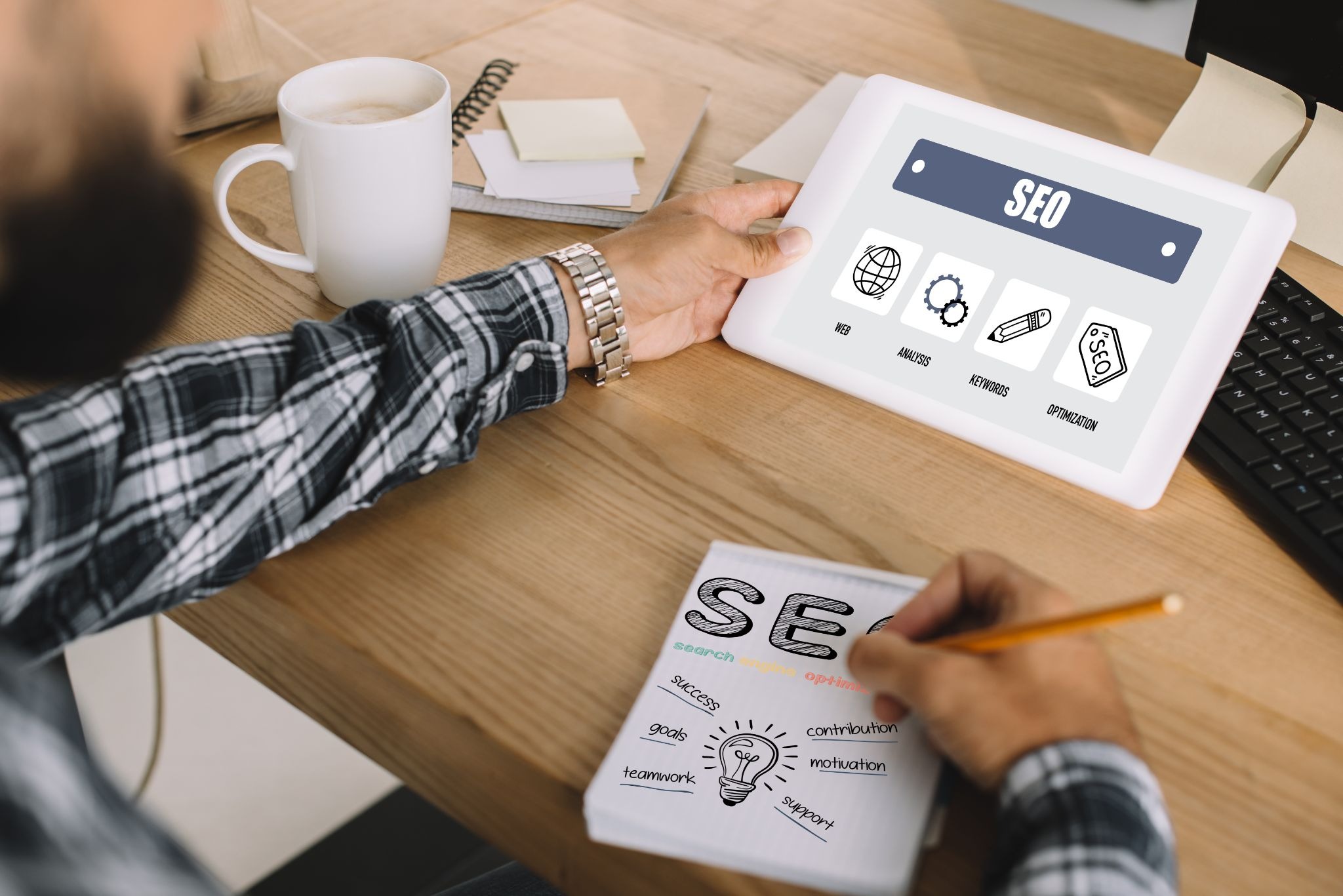
Organic reach continues to dominate in 2026, making SEO a key growth lever. Keyword research and topical authority are crucial to appear in search results for relevant queries. Technical SEO ensures websites load quickly, navigate easily, and provide a secure experience. On-page SEO aligns content with target keywords, while off-page SEO, including backlinks and social signals, builds credibility. Monitoring search engine algorithm updates and adapting strategies is vital to maintain visibility. Businesses that integrate SEO with content and UX see compounded growth benefits.
Paid Media and Retargeting Campaigns
Paid campaigns complement organic efforts by amplifying reach and targeting high-intent audiences. Pay-per-click (PPC), social ads, and programmatic advertising can drive immediate traffic while supporting long-term content strategies. Retargeting ensures prospects who visited your site continue engaging with personalized offers. For example, a visitor who explored a software demo page could later receive ads highlighting product features or customer success stories. Measuring ROI and optimizing budgets are essential to avoid wasted spend and maximize impact.
Conversion Rate Optimization (CRO)
Attracting traffic is only half the battle; converting visitors into leads or customers is critical. Conversion rate optimization (CRO) focuses on landing page design, user experience, persuasive copy, and clear calls-to-action (CTAs). A/B testing allows marketers to experiment with different layouts, headlines, and CTA placements to identify what drives the highest engagement. Reducing friction in forms, simplifying checkout processes, and addressing common objections improves conversions. CRO is a continuous process that leverages data-driven decisions to improve overall performance.
Leveraging Marketing Automation and Analytics
Marketing automation streamlines repetitive tasks while delivering personalized experiences. Email workflows, triggered messages, and dynamic content nurture leads efficiently. Customer relationship management (CRM) systems centralize interactions, track touchpoints, and score leads based on engagement and potential value. Analytics and predictive modeling provide actionable insights, allowing marketers to forecast trends, anticipate customer behavior, and optimize campaigns in real-time. Businesses that integrate automation with analytics achieve better alignment between marketing, sales, and overall growth objectives.
Customer Retention and Loyalty as Growth Drivers
Growth is not just about acquiring new leads, it’s also about retaining and upselling existing customers. Engaged, satisfied customers are more likely to repeat purchases and refer others. Retention strategies include personalized email campaigns, loyalty programs, and targeted offers. For example, a subscription service might use AI-driven recommendations to suggest relevant products or content based on prior interactions. Loyal customers become brand advocates, amplifying your growth organically and reducing reliance on costly acquisition campaigns.
Advanced Growth Strategy Tactics for 2026
AI-Powered Personalization
Artificial intelligence allows marketers to tailor content, offers, and communication in real-time. AI can recommend products, adjust messaging based on behavior, and score leads according to conversion likelihood. Personalized experiences improve engagement, reduce churn, and drive higher ROI.
Omnichannel Marketing Integration
Customers interact across multiple channels, from websites and email to social media and offline touchpoints. Omnichannel strategies ensure consistent messaging and seamless experiences. Tracking and optimizing each interaction creates a cohesive journey that enhances trust and conversions.
Data-Driven Experimentation
Experimentation is central to sustainable growth. Continuous testing of campaigns, offers, landing pages, and messaging provides insights into what works best. Data-driven iteration allows marketers to scale successful tactics while quickly identifying and fixing underperforming efforts. In 2026, leveraging real-time analytics accelerates decision-making and supports rapid adaptation to market changes.
Common Challenges and Solutions in Online Marketing Growth
Growth strategies face hurdles like audience oversaturation, algorithm shifts, and data privacy requirements. To overcome these:
Refine audience personas regularly to stay relevant.
Diversify marketing channels to reduce dependency on any single platform.
Stay compliant with evolving privacy regulations while maintaining personalized experiences.
Implement robust analytics to detect performance dips early and respond quickly.
Measuring Success and Key Metrics
Tracking metrics is essential to validate strategy effectiveness. Key performance indicators include:
Website traffic and engagement metrics
Conversion rates from landing pages and campaigns
Lead quality and marketing-qualified leads (MQLs)
Customer retention and lifetime value (CLV) Dashboards and reporting frameworks provide a consolidated view of performance, enabling continuous optimization. Businesses that integrate measurement into their growth strategy can adjust tactics in real-time, ensuring consistent upward momentum.
Conclusion
Implementing a high-impact growth strategy in 2026 requires a combination of audience insight, content, SEO, automation, and analytics. Start by defining target segments and building detailed buyer personas. Develop high-value content aligned with the buyer journey. Optimize landing pages, leverage paid and organic channels, and implement marketing automation to nurture leads. Use advanced AI and omnichannel approaches to personalize and scale interactions. Finally, measure performance rigorously and iterate continuously. Businesses that adopt these growth strategy tips can achieve sustainable online marketing success, attract high-quality leads, and convert them into loyal customers while staying ahead in a competitive digital landscape.
FAQs
1. What are the most effective growth strategy tips for online marketing in 2026?
Focus on AI personalization, omnichannel campaigns, content marketing, SEO optimization, CRO, and data-driven experimentation to scale traffic, leads, and conversions efficiently.
2. How can content marketing boost online growth strategies?
High-value content educates and engages audiences, aligns with the buyer journey, builds trust, improves SEO rankings, and encourages conversions through informative, shareable assets.
3. Why is audience segmentation critical for growth strategies?
Segmenting audiences ensures campaigns reach the right people with relevant messaging, increasing engagement, improving conversion rates, and reducing wasted marketing resources.
4. How does AI improve lead conversion and personalization?
AI predicts customer behavior, recommends personalized offers, scores leads, and delivers tailored experiences that increase engagement, reduce churn, and enhance overall conversion performance.
5. Which metrics best measure online marketing growth success?
Key metrics include traffic, engagement, conversion rates, lead quality, customer retention, and lifetime value, tracked through dashboards for continuous optimization and informed decision-making.